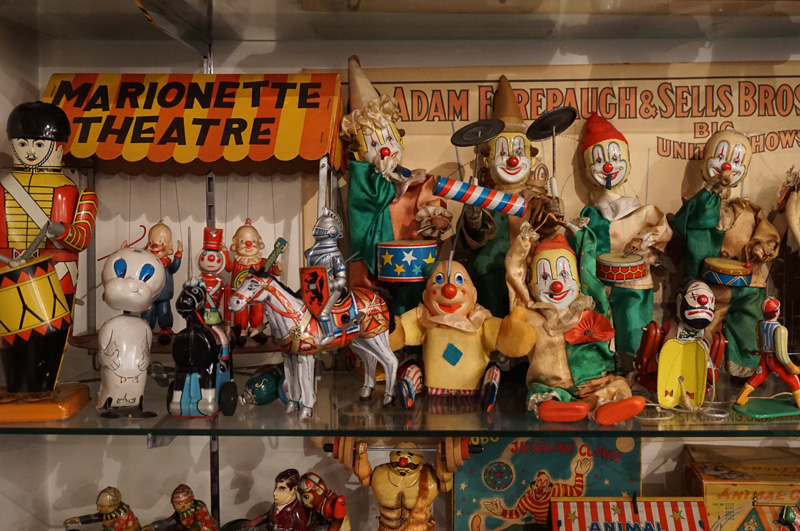
Yokohama Museum of Tin Toys
Interested in seeing what Yokohama has to offer? Take your little ones to see one of the coolest museums in Japan: Yokohama Museum of Tin Toys.


Back when I was a kid, plastic toys were still not found as easily, so most were out of rubber, fabric and, the coolest ones, from tin plate.
If you’d like to get down the memory lane and see 3,000, 3 THOUSAND antique tin toys, then the Yokohama Museum of Tin Toys is the answer for you.
From our main Things to Do in Yokohama article you probably got an overview on how different architecture can be in Yokohama and how the Western culture found its own place, so seeing the Tin Toy main entrance won’t shock you at all.
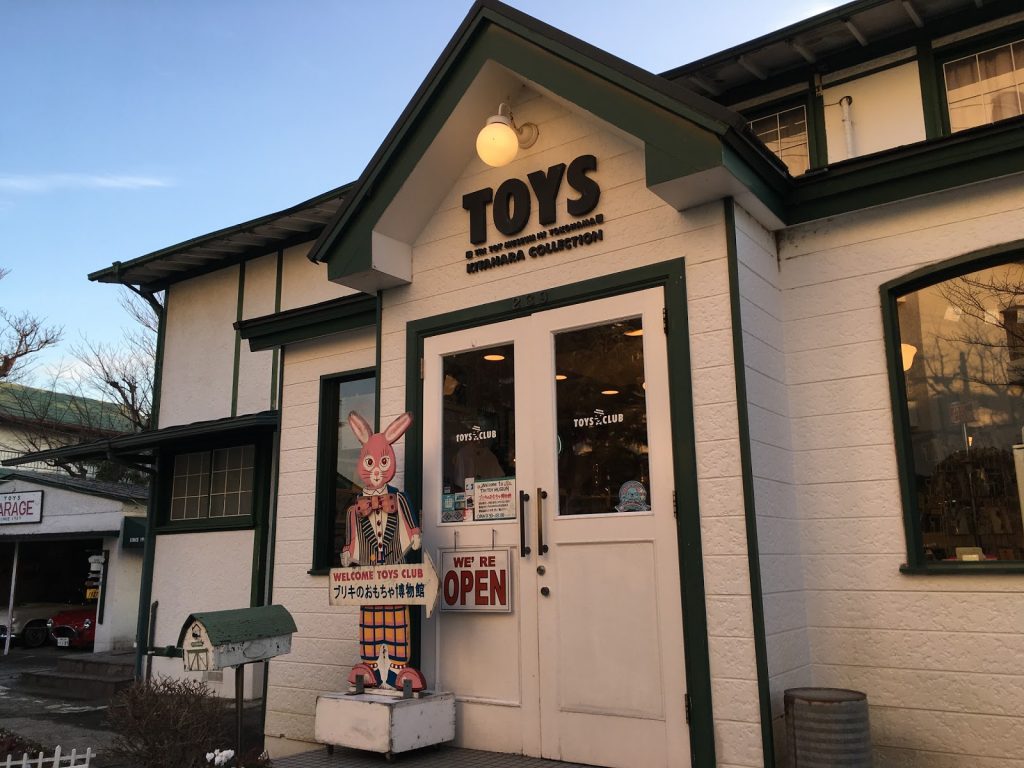
Nestled in the quiet, charming Yamate district of Yokohama stands one of Japan’s most whimsical and culturally significant museums—the Yokohama Museum of Tin Toys. This intimate yet extraordinary institution houses one of the world’s largest and most exceptional collections of vintage tin toys, preserving an irreplaceable chapter of both Japanese industrial heritage and global toy history. Founded in 1986 by renowned toy collector Teruhisa Kitahara, the museum represents a passionate labor of love dedicated to rescuing precious toys from obsolescence and celebrating the craftsmanship of a bygone era.
What began as the personal obsession of a single devoted collector has evolved into a beloved destination for toy enthusiasts, nostalgia seekers, film history aficionados, families, and anyone fascinated by the intersection of art, history, and play. Remarkably, this humble museum inspired the creation of Pixar’s iconic Toy Story franchise, cementing its place in both Japanese cultural preservation and international popular culture.
Unlike grand, imposing museums, the Tin Toy Museum embraces an unpretentious, intimate aesthetic—housed in a charming white building with a green roof that resembles a toy shop as much as a museum. This approachability is intentional and core to its character. The museum invites visitors to recapture the wonder of childhood, appreciate the artistry of industrial design, understand Japan’s crucial role in global toy manufacturing, and witness the tangible remains of technological and cultural transitions spanning three centuries.
The Visionary Founder: Teruhisa Kitahara
Understanding the Tin Toy Museum requires understanding the extraordinary vision and dedication of its founder, Teruhisa Kitahara. Since the early 1970s, Kitahara has pursued a singular mission: preserving tin toys from destruction, celebrating their aesthetic and historical value, and educating the world about Japan’s pivotal role in toy manufacturing history.
The Collector’s Passion
Kitahara’s journey began as an intensely personal passion project—he could not bear witnessing the discarding of tin toys as plastic toys flooded the market in the 1970s and beyond. While others viewed obsolete tin toys as worthless debris destined for landfills, Kitahara recognized their inherent artistic merit, engineering brilliance, and irreplaceable historical significance. He dedicated decades to rescuing toys from destruction, traveling globally to acquire pieces, building relationships with collectors worldwide, and systematically cataloging his growing collection.
International Recognition
Kitahara’s expertise and dedication have earned him international recognition. He has appeared frequently on Japanese television and radio programs discussing toy history, vintage toy collecting, and cultural preservation. He has become known in toy-collecting circles globally as an authoritative voice on tin toy history, valuation, and preservation. His reputation extends beyond the museum—Kitahara operates the Toys Club, a retail enterprise dedicated to reproduction toys and collectible merchandise inspired by his collection, and has established multiple satellite museums throughout Japan to share his passion beyond Yokohama.
The Pixar Connection
In 1987, American animator John Lasseter visited the Yokohama Museum of Tin Toys while researching for an animated project. Lasseter was profoundly inspired by the museum’s collection, the meticulous preservation, and the tangible history embedded in each toy. This visit directly led to the creation of the 1988 Pixar short film “Tin Toy,” which depicted toys confronting mortality and obsolescence in a world prioritizing newer playthings. This short film provided the conceptual foundation for Toy Story (1995), which became a global phenomenon and cultural landmark.
The connection remains explicit: the Japanese toy museum visited by Woody and Buzz in Toy Story 2 was directly inspired by Kitahara’s museum, and the film’s entire thematic core—toys’ fear of replacement and their search for meaning in a changing world—stems from Lasseter’s emotional response to Yokohama’s preserved collection. Few museums can claim such direct influence on global popular culture; the Tin Toy Museum sits among that rare category.
Historical Context: Japan’s Tin Toy Industry
From Humble Origins to Global Dominance (1890s–1920s)
The history of tin toys is inseparable from Japan’s rapid modernization during the Meiji era (1868–1912). Following Japan’s opening to Western trade and technology, Japanese craftspeople and manufacturers quickly adopted industrial techniques, particularly the manufacturing of tin plate goods. By the 1890s, Japanese manufacturers had begun producing tin toys, initially imitating Western designs but gradually developing distinctive Japanese stylistic elements.
During this early period, Japanese tin toys were primarily exported to Western markets, particularly the United States and Europe. The toys’ affordability, durability, and charming designs appealed to a broad consumer base. Japanese manufacturers possessed significant competitive advantages: lower labor costs than Western competitors, exceptional craftsmanship, and innovative manufacturing techniques. By the early 20th century, Japan was supplying tin toys throughout the Western world.
Pre-War Expansion (1920s–1940s)
The interwar period witnessed explosive growth in Japan’s toy manufacturing industry. Major toy companies emerged, including Marklin, Taiyo, Nomura, and others who became legendary names in toy history. Japanese tin toys became increasingly sophisticated, incorporating wind-up mechanisms, detailed lithography, and innovative designs. The aesthetics evolved to reflect both Japanese and Western sensibilities, creating a unique hybrid style.
Production scaled dramatically to meet insatiable Western demand. American children played with Japanese-manufactured tin toys while remaining entirely unaware of their origin—tin toys had become so ubiquitous in American households that they were presumed to be American products. The irony was profound: Japan was simultaneously modernizing its industry and exporting cultural products that shaped American childhood experience.
Political tensions and eventual war disrupted this flourishing trade. Following Japan’s invasion of Manchuria (1931) and expansion into China (1937–1945), Western nations implemented trade sanctions and eventually complete embargoes against Japanese goods. World War II completely halted toy manufacturing and export, redirecting industrial capacity toward military production.
Post-War Resurgence (1945–1960s)
Following Japan’s surrender in August 1945, the country faced occupation by American military forces. Interestingly, the occupation actually facilitated the toy industry’s rapid restoration. American soldiers and returning servicemen developed nostalgic demand for the tin toys of their childhood. Japanese manufacturers, facing limited domestic demand and eager to generate foreign currency for national reconstruction, rapidly resumed toy production.
The 1950s and 1960s represented the zenith of Japan’s tin toy manufacturing. Technological advances enabled increasingly sophisticated designs and mechanisms. Wind-up robots became icons of this era—whimsical mechanical creations that captivated global imaginations. Space-age designs, reflecting the Sputnik era and astronaut fascination, became tremendously popular. American television programs like The Twilight Zone featured tin robots and mechanical toys, reinforcing their cultural prominence.
Japanese tin toys achieved near-total market dominance during this period. Estimates suggest that virtually every child in mid-20th century America who owned a tin toy possessed a Japanese-manufactured product. The toys were exceptionally affordable (typically costing 50 cents to $2 in 1950s dollars), durable, and whimsically designed. They became ubiquitous fixtures in American households, yard sales, playgrounds, and eventually attics and basements where they remained for decades.
Decline and Near-Extinction (1970s–1980s)
The advent of plastic-manufacturing technology and declining labor costs in alternative producing nations precipitated rapid decline in Japan’s tin toy production. Plastic toys were cheaper to manufacture, safer, more versatile in design, and didn’t rust or show wear as readily as tin. By the early 1970s, plastic had decisively supplanted tin as the dominant toy material. Japanese manufacturers transitioned production to plastic toys or exited the toy industry entirely.
By the 1980s, tin toy manufacturing in Japan was virtually extinct. The few remaining artisans represented an endangered species—today, only a handful of tin toy craftspeople remain in all of Japan. As production ceased, the toys themselves became devalued. Parents and grandparents, cleaning out attics and basements, disposed of tin toys by the thousands, viewing them as worthless junk. Countless irreplaceable toys were discarded, melted down for scrap, or destroyed through neglect.
This is the historical moment when Teruhisa Kitahara’s visionary preservation became invaluable. While others dismissed tin toys as obsolete refuse, Kitahara recognized them as irreplaceable cultural artifacts worthy of preservation, study, and celebration. His efforts rescued thousands of toys from destruction and created a permanent record of Japanese manufacturing achievement and global toy history.
The Museum Today: Facilities & Collections
Building & Architecture
The museum occupies a charming white-walled building with a distinctive green roof, located on a quiet residential street in the Yamate district of Yokohama. The building’s modest exterior deliberately evokes the aesthetic of a quaint toy shop rather than imposing institutional architecture. This approachable, intimate design reflects the museum’s philosophy—creating a welcoming space that prioritizes the joy and wonder associated with toys over formal distance and gravitas.
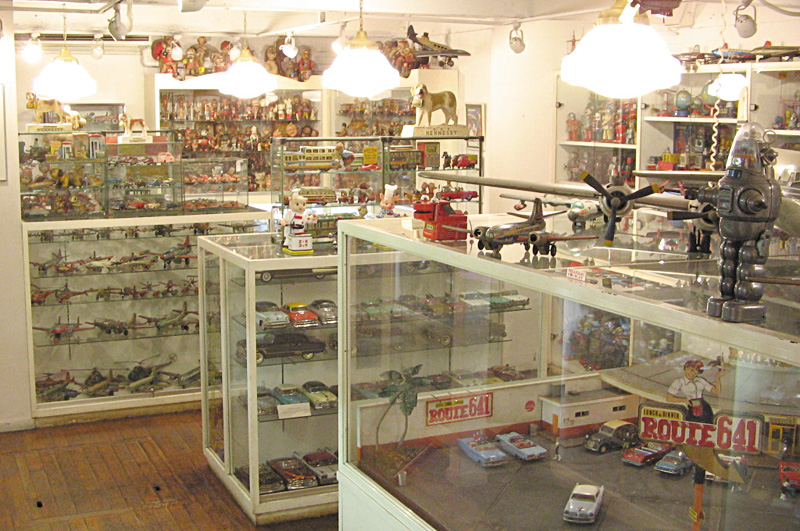
The interior consists of two main display rooms packed with approximately 3,000 tin toys, carefully arranged in glass display cases organized thematically by toy type, era, and manufacturing period. The dense packing creates an immersive environment that visitors describe as feeling like wandering into a three-dimensional toy catalog or stepping inside an enormous toy box. Every inch of wall space utilizes available display area, creating visual abundance rather than sparse, minimalist presentation.
The Collection: Approximately 3,000 Tin Toys
The museum’s permanent collection comprises roughly 3,000 tin toys manufactured primarily between 1890 and 1960, though the bulk of the collection dates to the 1920s–1960s period when production was most intensive. The collection represents one of the world’s largest and most comprehensive assemblies of vintage tin toys.
Major Collection Categories
Tin Automobiles
The collection features extraordinary automotive representations spanning virtually every style and brand imaginable. Vintage tin cars capture the aesthetic of their respective eras—sleek 1950s designs with aerodynamic curves, 1920s-1930s models with blocky proportions and spare tires, and racing vehicles featuring meticulous detail. Many feature wind-up mechanisms that enabled children to wind the toy and watch it traverse the floor. Some possess doors that open, windows that roll down, and sophisticated detail rivaling scale models created decades later.
Notable examples include meticulously detailed representations of Packards, Cadillacs, Chryslers, and other American luxury automobiles. European sports cars and racing vehicles showcase the aesthetics of pre-war and post-war automotive design. The precision of the lithography—the detailed decals and printed designs covering the tin surfaces—demonstrates remarkable craftsmanship by hand-printing artisans.
Tin Robots & Mechanical Creatures
Perhaps the collection’s most iconic category, the robots and mechanical creatures represent the apex of mid-century industrial design applied to toys. These wind-up mechanical toys feature fantastical designs: humanoid robots with bulbous heads and articulated limbs, creatures inspired by science fiction aesthetics, and anthropomorphized animals with mechanical sophistication. Some feature sparking actions, walking mechanisms, or complex mechanical dances. The faces—whether happy, menacing, whimsical, or surreal—project personality and character.
These robots have become synonymous with 1950s optimism, space-age fascination, and the playful embrace of mechanization characterizing mid-century culture. They represent a particular moment when technologies seemed magical and boundless, and the future appeared to hold infinite mechanical wonders. Collectors worldwide seek these robots, and original examples in good condition command substantial prices among serious collectors.
Tin Ships, Trains & Aircraft
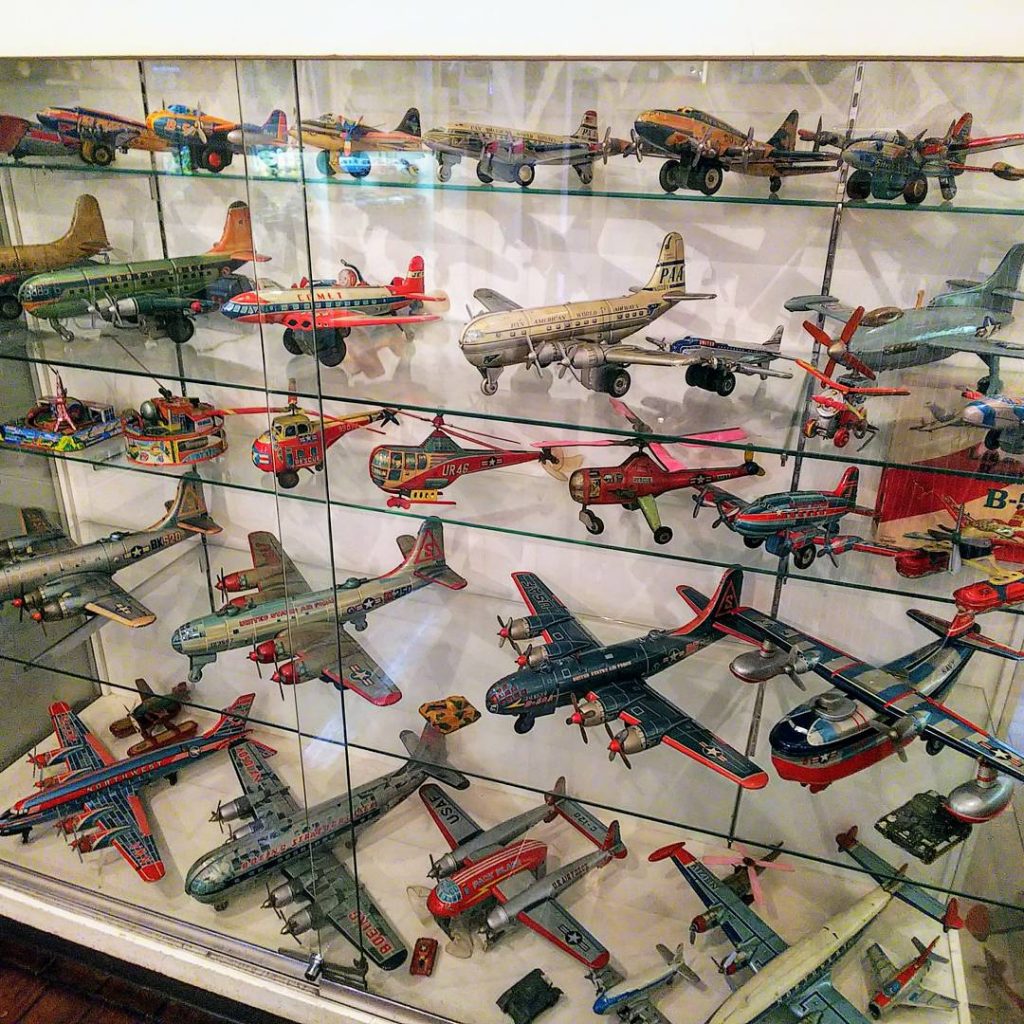
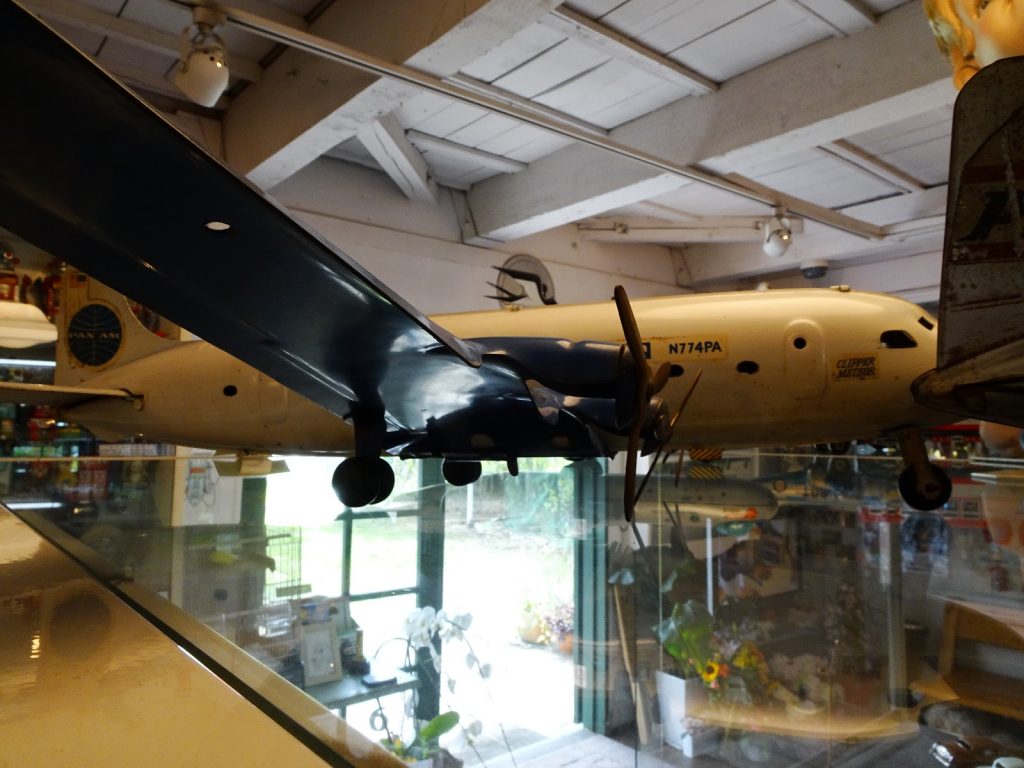
Transportation toys comprise a significant subset of the collection. Detailed tin ships with working features (propellers that spin, moving cranes), trains with intricate detail, and aircraft representing various eras demonstrate the collector’s comprehensiveness. Military aircraft from World War II era, sleek commercial airliners representing the jet age, and fantastical spacecraft inspired by science fiction all appear in the collection.
Tin Character Toys
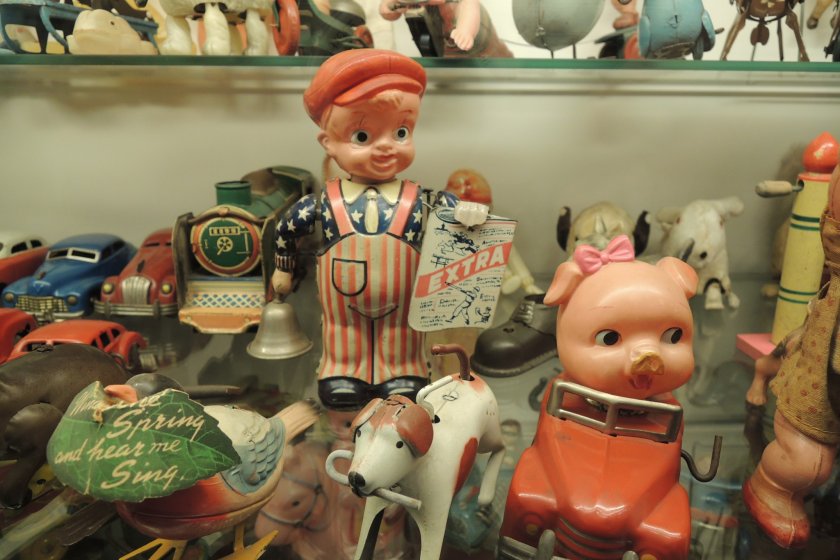
The collection includes representations of beloved characters spanning toy history. Early Mickey Mouse toys represent crucial moments in animation history—these tin figures predate modern mass production by decades. Felix the Cat, Betty Boop, Popeye, and other characters from animation’s golden age appear in tin form. The lithographic detail capturing character likenesses and clothing demonstrates the artistry applied to commercial toy production.
Tin Dolls & Figurines
Beyond character representations, the collection includes various tin dolls and figurines. Some feature mechanical sophistication (walking dolls, dolls with moving limbs), while others represent static artistry capturing fashion, cultural aesthetics, and design sensibilities of their respective eras.
Specialty & Lesser-Known Toys
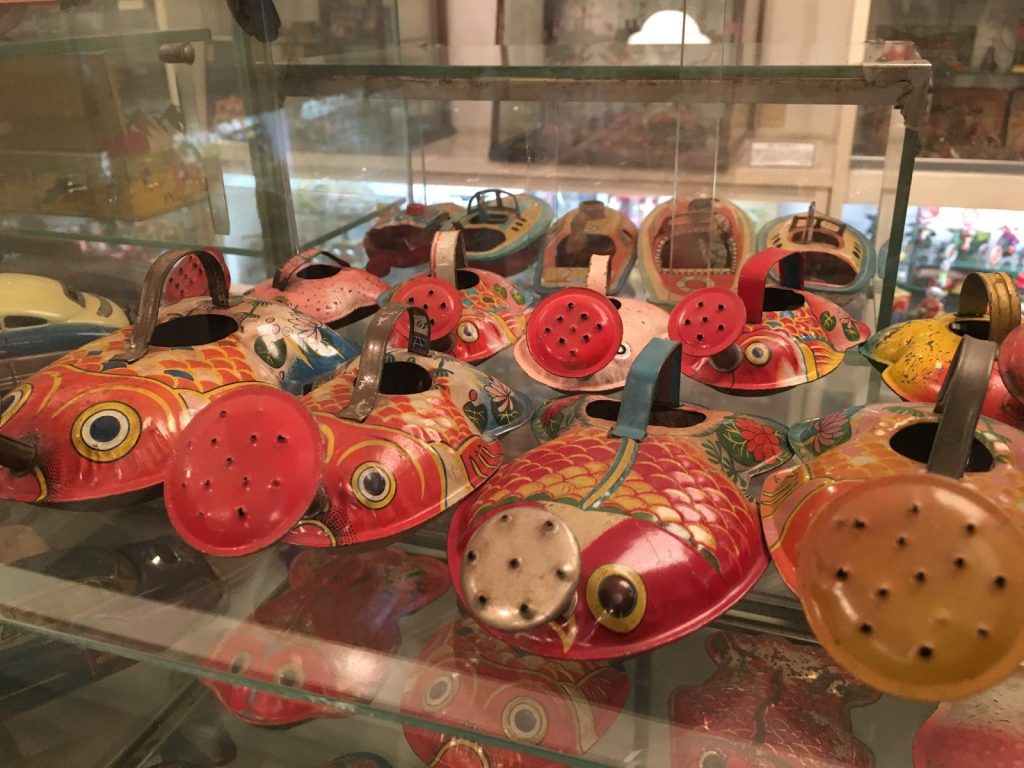
Beyond the major categories, the collection encompasses countless specialty items: tin animals, mechanical insects, circus sets, military toys, domestic appliances (tin stoves, teapots, cooking implements), furniture, and countless other items reflecting the breadth of Japanese toy manufacturing. These overlooked items often possess remarkable charm and detail, revealing the diversity and playfulness of mid-century toy design.
Chronological Organization
The collection is organized roughly by era, allowing visitors to observe evolution in design aesthetics, manufacturing techniques, and cultural values across decades:
- 1890s–1910s: Early Japanese tin toys reflecting Meiji-era design, often imitating Western contemporaries but developing distinctive Japanese characteristics
- 1920s–1930s: Art Deco influences, increasingly sophisticated mechanization, rising Japanese design innovation
- 1940s: Limited due to wartime production redirection; some military-related toys appear
- 1950s: Post-war resurgence, space-age aesthetics, sophisticated wind-up mechanisms, vibrant lithography
- 1960s: Final period of intensive tin toy production before plastic superseded the medium, sometimes featuring hybrid tin-plastic construction
Observing toys chronologically reveals how design aesthetics, manufacturing capabilities, and cultural preoccupations evolved. The shift from Victorian to Art Deco to Atomic Age design is visually apparent through the toy collections.
The Iconic Mascot: Robby
No description of the Yokohama Museum of Tin Toys is complete without mention of Robby, the museum’s beloved mascot and unofficial greeter. Robby is an Old English Sheepdog of considerable charm and gentle temperament who typically rests on the museum floor or in the backyard area. Robby’s presence adds immeasurable warmth to the museum experience—visitors often comment that the dog’s calm, unobstructed presence in the museum creates an intimate, home-like atmosphere distinguishing this institution from formal museum conventions.
Robby occasionally grants photo opportunities, though he operates on his own schedule. Photographing Robby has become a ritual for many visitors, and the dog has achieved celebrity status within the museum’s community. His gentle acceptance of attention from visitors of all ages contributes significantly to the museum’s family-friendly, welcoming character.
Adjacent Facilities: Toys Club Shop & Christmas Toys
The museum complex encompasses more than the exhibition space—it operates as an integrated retail and cultural destination with multiple components.
Toys Club Shop
Immediately adjacent to the museum proper stands the Toys Club shop, a retail establishment operated by Teruhisa Kitahara’s toy company. The shop features an extensive inventory of merchandise spanning numerous categories:
Reproduction Tin Toys: Faithful reproductions of vintage tin toys from the collection, manufactured using traditional techniques. These reproductions offer visitors the opportunity to own toys inspired by museum pieces, utilizing modern production standards while maintaining aesthetic fidelity to originals. Prices range from modest (¥500–¥1,000) to substantial (¥3,000+) depending on complexity and size.
Antique & Vintage Toys: Authentic vintage tin toys of varying rarity and condition, offered for sale to serious collectors. These represent genuine antiques, some in excellent condition, others showing appropriate signs of age and use. Serious collectors often make pilgrimages specifically to browse the Toys Club inventory for desired acquisitions.
Original Kitahara-Designed Merchandise: Exclusive items designed specifically incorporating Kitahara Collection inspiration—artwork, prints, calendars, figurines, and other merchandise unavailable elsewhere, making them ideal souvenirs with direct connection to the museum.
Nostalgic Toys & Candies: Traditional Japanese and vintage toys, candies, and novelties evoking the Showa era (1926–1989). These items appeal to collectors of Japanese cultural nostalgia and those seeking authentic period pieces.
Books & Publications: Toy history references, cataloging guides, photography books, and publications about vintage toys and collecting. These resources appeal to serious collectors and researchers investigating tin toy manufacturing, design history, and collecting practices.
Showa-Era Memorabilia: Beyond toys, the shop carries merchandise evoking Japan’s Showa era through various categories—postcards, ephemera, reproductions of period advertisements, and other nostalgic items capturing mid-20th century Japanese life and aesthetics.
Pricing: Shop merchandise spans extreme budget ranges—visitors can find items for ¥200–¥500 (small candies, simple reproductions) to premium collectibles and rare originals commanding ¥5,000–¥50,000+. This pricing diversity ensures accessibility across all visitor budgets.
Christmas Toys: Year-Round Holiday Celebration
In a highly distinctive feature, the museum operates an adjacent Christmas Toys shop, a year-round retail establishment dedicated exclusively to Christmas merchandise and seasonal goods. This shop operates 365 days annually, celebrating the Christmas season perpetually within its confines regardless of calendar date.
Inventory Features:
- Vintage Christmas Decorations: Antique Christmas ornaments, garland, lights, and decorative pieces from mid-20th century
- International Christmas Items: Imported Christmas merchandise from Europe, America, and worldwide sources
- Handmade Japanese Christmas Goods: Artisan-crafted Christmas items produced by Japanese makers, blending traditional craftsmanship with seasonal themes
- Modern Christmas Products: Contemporary Christmas decorations, ornaments, and seasonal merchandise
- Christmas Music & Atmosphere: The shop features curated Christmas music selections, creating perpetual festive ambiance—visitors describe the musical selection as exceptionally tasteful, often featuring both traditional and contemporary Christmas compositions
Ambiance: The Christmas Toys shop embodies a whimsical philosophy—celebrating Christmas as a perpetual state of mind rather than a calendar-bound holiday. The staff is described as charming and helpful, often sharing enthusiasm about merchandise. The shop itself is charmingly cluttered with Christmas merchandise, creating visual abundance and playful disarray deliberately evoking the spirit of childhood wonder and Christmas morning chaos.
Visitor Appeal: The Christmas Toys shop attracts both serious Christmas collectors seeking vintage merchandise and casual visitors enchanted by the unconventional, year-round celebration of the season. Many tourists make special efforts to visit on off-season dates specifically to photograph the surreal juxtaposition of Christmas excess against summer or autumn weather.
Notable Feature: The storefront famously features vintage Christmas displays, including a vintage van decorated with Christmas imagery, creating Instagram-worthy photo opportunities that have made the Christmas Toys shop a destination in its own right.
Getting There & Practical Information
By Train (Recommended)
Closest Station: Ishikawacho Station
- Distance: Approximately 10–15 minute walk
- Route: From Ishikawacho Station, walk straight down the main road toward Motomachi Park. Turn right at the Yokohama Christ Church corner. The museum is located on this quiet side street.
- Lines: The station is served by the JR Negishi Line (direct service from central Yokohama and Tokyo)
Alternative Stations:
- Motomachi-Chukagai Station (Minatomirai Line): 10–15 minute walk. This line offers connections throughout Yokohama’s central district.
- Sakuragicho Station (JR Keihin-Tohoku Negishi Line / Yokohama Municipal Subway): 20–25 minute walk, though offering direct service from Tokyo
From Tokyo: The most straightforward route involves taking the JR Keihin-Tohoku Negishi Line from Tokyo Station directly to Yokohama Station (approximately 30 minutes), then transferring to a local line toward Ishikawacho Station. Alternatively, from Tokyo, take the JR Keihin-Tohoku Line directly to Sakuragicho Station (approximately 45 minutes), then walk approximately 25 minutes to the museum.
By Bus
Yokohama Tourist Bus “Akai-Kutsa” (Red Shoe)
A distinctive visitor option is the Yokohama Tourist Bus system, themed buses painted in red that provide guided tours throughout Yokohama’s major tourist attractions.
- Route C (Red Shoe C Route): Stop C10 provides direct access near the museum (approximately ¥220 fare)
- Accessibility: The buses stop near major tourist destinations, creating a logical sightseeing progression
- Tip: Many visitors combine the red bus tour with museum visits, stopping at multiple attractions within a single journey
Parking
Limited parking is available near the museum, though finding spaces can be challenging, particularly on weekends. The narrow residential streets of the Yamate district accommodate minimal vehicle traffic. Using public transportation is strongly recommended over driving for most visitors.
Address & Contact Information
- Address: 239-2 Yamatecho, Naka-ku, Yokohama, Kanagawa Prefecture 231-0862
- Phone: +81-45-621-8710
- Email & Website: Check current contact information through official tourism websites or call ahead for updated information
Opening Hours & Admission
Operating Hours
Daily Operation
The museum operates continuously, typically opening at 9:30 AM. Hours vary slightly by day:
- Weekdays (Monday–Friday): 9:30 AM–6:00 PM
- Weekends & Holidays (Saturday–Sunday): 9:30 AM–7:00 PM
Note: Hours may vary seasonally or during special circumstances. It’s advisable to verify current hours before planning your visit, particularly during holidays or special events.
Admission Pricing
- General Admission: ¥200 (approximately $1.50 USD)
- Children: ¥100 (approximately $0.75 USD)
- Under 5 Years: Free
The admission pricing is notably modest—one of Japan’s most affordable museum admission rates—intentionally reflecting the museum’s philosophy of welcoming accessibility. This extremely reasonable pricing encourages frequent visits and ensures financial barriers don’t prevent engagement with the collection.
Combination Pricing
Package pricing may be available combining museum admission with Toys Club shop purchases or Christmas Toys merchandise. Inquire at the ticket desk for potential bundle deals.
Visitor Experience & Recommendations
Layout & Duration
The museum consists of two modestly-sized rooms densely packed with 3,000 toys. Most visitors spend between 1–2 hours exploring the collection thoroughly, though visit duration varies considerably based on interest level.
Brief Visit (30–45 minutes): Sufficient for casual browsing, observing major categories, and experiencing the overall atmosphere. Visitors can see representative examples without exhaustive examination.
Standard Visit (1–1.5 hours): Allows thorough exploration of all display cases, reading descriptive information where provided, and developing appreciation for collection depth and diversity. This duration accommodates most casual visitors and families with children.
Deep Dive (2+ hours): For toy enthusiasts, collectors, and history scholars, extended visits enable detailed examination of individual pieces, contemplation of manufacturing techniques, comparison across eras, and potentially studying detailed catalogs or reference materials. Photography enthusiasts may spend considerable time capturing detailed images.
Photography & Image Capture
Photography within the museum is generally permitted, though certain policies may apply:
- Most display areas are photographable
- Flash photography may be restricted to prevent damage to vintage items
- Tripods may require permission or restriction in some areas
- The outdoor photo spot (an old repurposed garage structure) is specifically designed for visitor photography
The museum’s compact size and dense displays create excellent photography opportunities. Many visitors spend significant time capturing detailed images of favorite toys, creating a visual record of their visit.
What to Expect: The Sensory Experience
Visitors consistently emphasize several aspects of the museum experience:
Emotional Resonance: For adults who grew up with tin toys, the museum often triggers powerful nostalgia and emotional response. Many describe nearly tearful reactions to encountering beloved toys from childhood.
Overwhelming Abundance: The dense packing of toys creates visual abundance rather than sparse, formal presentation. This creates an initially overwhelming but ultimately enchanting sensory experience—like stepping into a toy catalog rather than a traditional museum.
Historical Perspective: Observing evolution across decades reveals how design aesthetics, manufacturing capabilities, and cultural values transformed. The progression from Victorian-era sensibilities through Art Deco, 1950s modernism, and space-age optimism becomes visually apparent.
Craftsmanship Appreciation: Extended examination reveals remarkable detail in lithography, mechanical engineering, and design sophistication applied to commercial toys. This appreciation often surprises visitors unaware of the artistry involved in toy manufacturing.
Beatles Soundtrack: The museum features Beatles music throughout, reflecting Kitahara’s personal taste. Many visitors note that the uplifting, nostalgic musical selection significantly enhances the atmospheric experience.
Visiting with Children
The museum welcomes families with children, though visitor expectations should acknowledge certain realities:
Advantages for Children:
- Toys inherently fascinate children, and the collection’s visual abundance captivates young visitors
- The informal, approachable atmosphere differs from stuffy institutional museums
- Interaction with Robby the dog typically delights children
- The adjacent Toys Club shop appeals to children seeking toy purchases
Considerations:
- Young children (under age 5) may experience sensory overload from the dense displays
- Display cases are behind glass; no hands-on interaction is permitted
- The modest size means brief visits may better suit young children’s attention spans
- No dedicated children’s areas, bathrooms, or stroller accommodation may be limited
- The exterior photo spot provides outdoor play space break from indoor displays
Family Recommendations: Families with young children often benefit from briefer visits (45–60 minutes) focused on major categories, potentially scheduling return visits for more thorough exploration. Older children, particularly those interested in history, robots, or collectibles, often find extended visits thoroughly engaging.
Related Attractions & Comprehensive Yamate District Exploration
The museum’s location within Yokohama’s historic Yamate district positions it within a neighborhood rich in cultural landmarks, preserving Japan’s international heritage through architecture and institutions.
Immediate Vicinity Attractions
Yokohama Christ Church: Located at the street corner near the museum, this historic church (dating to 1901) represents one of Japan’s oldest Western religious structures. The Gothic architecture creates a charming atmospheric contrast to the contemporary neighborhood.
Motomachi Park: Adjacent green space offering waterfront views and leisure opportunity. The park provides pleasant walking grounds and serves as orientation reference point.
Yamate 234-ban Residence: Historic Western-style residence preserved as cultural property, accessible via adjacent walking streets.
Yamate 80-bankan Ruins: Archaeological remains and historic site documenting the area’s international heritage.
Broader Yamate District (15–30 minute walk)
The entire Yamate district, accessible via charming hillside streets, encompasses numerous Western-style heritage buildings, cemeteries, museums, and cultural sites reflecting Yokohama’s 19th-century international character:
- Yamate Archives Museum: Document and artifact repository
- The Anglican-Episcopal Church of Japan: Historic religious structure
- British House Yokohama: Historic diplomatic residence
- Yokohama Foreign General Cemetery: Historic graveyard with international burials
- Various other heritage residences and cultural sites
Moderate Distance Attractions (20–40 minutes)
- Yokohama Chinatown: Japan’s largest Chinatown, featuring restaurants, shops, and cultural sites (accessible via short train ride or 25-minute walk)
- Yamashita Park: Waterfront park overlooking Yokohama Bay
- Red Brick Warehouse: Historic early 20th-century structures converted to modern retail/dining (adjacent to Yamashita Park)
- Yokohama Cosmo World: Amusement park featuring iconic Ferris wheel
Combined Itinerary Suggestions
Yamate Historical District Focus (4–5 hours)
- Morning: Tin Toy Museum (1–1.5 hours)
- Mid-morning: Walk through Yamate district, visiting heritage buildings and cemeteries
- Lunch: Casual dining in Motomachi area
- Afternoon: Additional heritage site visits
Yokohama Comprehensive Experience (Full day)
- Morning: Tin Toy Museum and Yamate district exploration
- Lunch: Yamate area or Chinatown (short train ride)
- Afternoon: Red Brick Warehouse, Yamashita Park, or Cosmo World
- Evening: Waterfront dining or return to central Yokohama
Collector’s Pilgrimage (2–3 hours focused visit)
- Extended museum visit (1.5–2 hours)
- Thorough Toys Club shop browsing (30–60 minutes)
- Christmas Toys shop visit (15–30 minutes)
- Possible acquisition of reproduction items or rare collectibles
Practical Visitor Information
What to Bring
- ¥500–¥1,000+ for admission and potential shop purchases: The museum’s affordability and nearby shops’ appeal mean many visitors exceed budget expectations once inside
- Camera/Smartphone: For photography and documentation
- Comfortable Walking Shoes: The Yamate district involves hillside walking on uneven surfaces
- Weather-Appropriate Clothing: The museum building has modest climate control; layering is advisable
- Translation App: While not essential, helpful for menus or signage in adjacent areas
- Small Bag: For carrying purchases from Toys Club or Christmas Toys shops
Accessibility Considerations
- Wheelchair Access: The museum’s modest size and entry may present challenges for wheelchair users. The two-room layout is compact; accessibility should be verified in advance
- Restrooms: Limited facilities; nearby public restroom options may be necessary
- Parking: Minimal accessible parking; public transit strongly recommended
- Stairs: The building includes steps; accessibility varies
Seasonal Considerations
Summer (June–August): Intensely humid; early morning or evening visits recommended. The museum’s modest size and compact displays create crowded feeling during peak tourist season.
Autumn (September–November): Ideal season—comfortable temperatures, clear skies, manageable crowds. The Yamate district’s hillside location offers pleasant walking.
Winter (December–February): Cool but manageable temperatures. The Christmas Toys shop achieves peak enchantment during this season, creating compelling reason for winter visits.
Spring (March–May): Pleasant temperatures; cherry blossom season adds neighborhood appeal. Moderate visitor numbers.
Best Times to Visit
Least Crowded: Weekday mornings (9:30–11:00 AM), mid-week, during non-tourist seasons.
Most Atmospheric: Early morning (upon opening) when minimal crowds allow peaceful contemplation; or early evening when crowds have departed.
Peak Times to Potentially Avoid: Weekends and holidays during tourist season (Golden Week in May, summer vacation July–August, autumn tourist season September–October), particularly mid-day.
Collection Highlights & Notable Pieces
While comprehensively cataloging 3,000 pieces exceeds this guide’s scope, certain collection items frequently appear in photography and visitor accounts, suggesting particular visitor appeal:
Mickey Mouse Toys
Early Mickey Mouse tin toys represent crucial moments in animation history and Japanese manufacturing. These pieces predate modern mass production by decades and document early character commercialization before such licensing became standard practice.
Mechanical Robots
The collection’s most photographed category, vintage 1950s tin robots featuring wind-up mechanisms, sparking actions, and whimsical designs. These robots have achieved cult status among collectors and appear frequently in museum publications and media coverage.
Tin Vehicles
Detailed automotive representations capturing aesthetic evolution from 1920s luxury vehicles through 1960s space-age designs. Wind-up mechanisms and intricate lithography demonstrate manufacturing sophistication.
Miniature Dioramas
Small-scale scenes—tin restaurants, domestic environments, street scenes—capturing mid-century aesthetic and domestic life representations.
Character Collectibles
Felix the Cat, Betty Boop, Popeye, and other animation-era character representations in tin form, documenting popular culture’s commercial evolution.
The Broader Kitahara Museum Network
Teruhisa Kitahara’s passion extends beyond Yokohama. He has established multiple satellite museums throughout Japan, each exploring different collecting interests:
Yokohama Museum of Tin Toys (Primary): The flagship institution featuring approximately 3,000 tin toys
Additional Kitahara Museums: Various locations throughout Japan house separate collections focusing on different toy categories, artistic forms, or thematic collections. Serious collectors sometimes undertake multi-museum pilgrimages visiting several Kitahara institutions.
Visiting Etiquette & Museum Guidelines
Expected Conduct
- Observe Display Preservation: All items are behind protective glass; only observation is permitted, no touching
- Photography Respectfully: Avoid disrupting other visitors during photography sessions
- Respect Robby’s Space: The museum dog deserves peaceful rest; gentle interaction is encouraged, but respect his autonomy
- Modest Noise Levels: The intimate space requires consideration of other visitors’ contemplative experience
- Shop Appropriately: The Toys Club and Christmas Toys shops require purchase consideration before entering; observe reasonable shop behavior
Questions & Assistance
Staff members, while potentially limited English-speakers, are generally hospitable and willing to assist. The museum operates as a family business rather than large institutional entity, creating personable but potentially language-limited assistance. Translation apps can facilitate communication.
Trip Planning & Suggested Itineraries
Half-Day Visit from Central Yokohama (4–5 hours)
- Morning train from Sakuragicho or central Yokohama to Ishikawacho Station (15–20 min)
- Walk through Yamate district to museum (15 min walk)
- Museum exploration (1–1.5 hours)
- Toys Club and Christmas Toys shopping (30–45 min)
- Return walk through Yamate district, observing heritage sites
- Afternoon departure
Full-Day Yamate & Yokohama Comprehensive Experience (8–10 hours)
Morning:
- Train from central Yokohama to Ishikawacho