

Yokohama Travel Guides
Your Complete Resource for Yokohama, Japan
Yokohama is Japan’s second-largest city — a vibrant, cosmopolitan port that has been welcoming the world since 1859. With a population of 3.7 million, a stunning waterfront skyline, Japan’s largest Chinatown, and a cultural depth that most visitors never expect, Yokohama rewards every type of traveler. Whether you have a single afternoon or an entire week, this guide covers everything you need.
Why Yokohama?
Most visitors to Japan fly into Tokyo and never make the 30-minute train journey south to Yokohama. That is a mistake.
Yokohama is not Tokyo’s suburb. It is a world-class city in its own right — one that traded silk with Europe before Japan had a railway, survived two of the most catastrophic disasters of the 20th century, and rebuilt itself into one of the most architecturally interesting and culturally layered cities in Asia.
It has a walkable, human-scaled waterfront that puts many European harbor cities to shame. It has a food scene rooted in 160 years of international exchange — Yokohama is, after all, the birthplace of Ie-kei ramen, the city where Japan first tasted beer, ice cream, and Western bread. It has jazz bars in Noge, Zen temples in Tsurumi, Gothic Western-style mansions on the Bluff, and a night skyline from Minato Mirai that is among the most photogenic in all of Japan.
Burke Wallis, who founded this guide after spending five years living and working in Yokohama, put it simply: Yokohama gets under your skin in a way Tokyo rarely does. It is a city that moves at a human pace, with a cosmopolitan soul that goes back generations.
Plan Your Visit
Getting your trip right starts with the basics. Use these guides to plan from the ground up.
- Yokohama Travel Guide — The Complete Overview → Everything about the city in one place: geography, climate, culture, history, and what makes Yokohama unique.
- Best Time to Visit Yokohama → Spring cherry blossoms, summer fireworks, autumn foliage, and clear winter days with views of Mount Fuji — every season has a case for it.
- How Many Days Do You Need in Yokohama? → A single day is enough for a taste. Three days lets you breathe. Here is how to calibrate your stay.
- Yokohama Itinerary: 1 Day → The essential circuit: Minato Mirai, Red Brick Warehouse, Chinatown, Yamashita Park, and the waterfront at dusk.
- Yokohama Itinerary: 2 Days → Add the Bluff, Sankeien Garden, a Noge jazz bar, and a proper Ie-kei ramen lunch.
- Yokohama Itinerary: 3 Days → Go deeper — Sojiji Temple, Kanazawa Ward, the Silk Museum, and the neighborhoods most tourists never find.
- Yokohama vs Tokyo: Which Should You Visit? → If you only have time for one, here is an honest comparison. If you have time for both, here is how to combine them.
- How to Get to Yokohama → From Tokyo, Haneda Airport, Narita Airport, Kyoto, and Osaka — every route explained.
Where To Go in Yokohama
Yokohama’s Top Attractions
Yokohama has over 40 museums, dozens of temples and shrines, historic Western-style mansions, an amusement park on the waterfront, and a Chinatown that has been serving the world since 1859. These are the highlights.
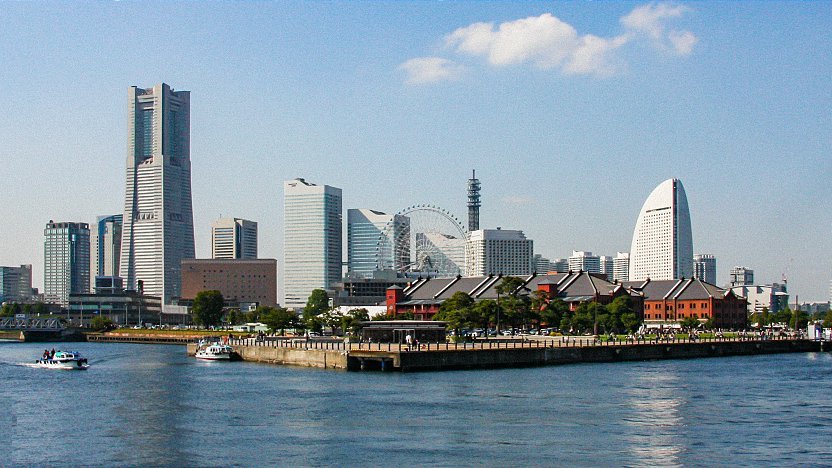
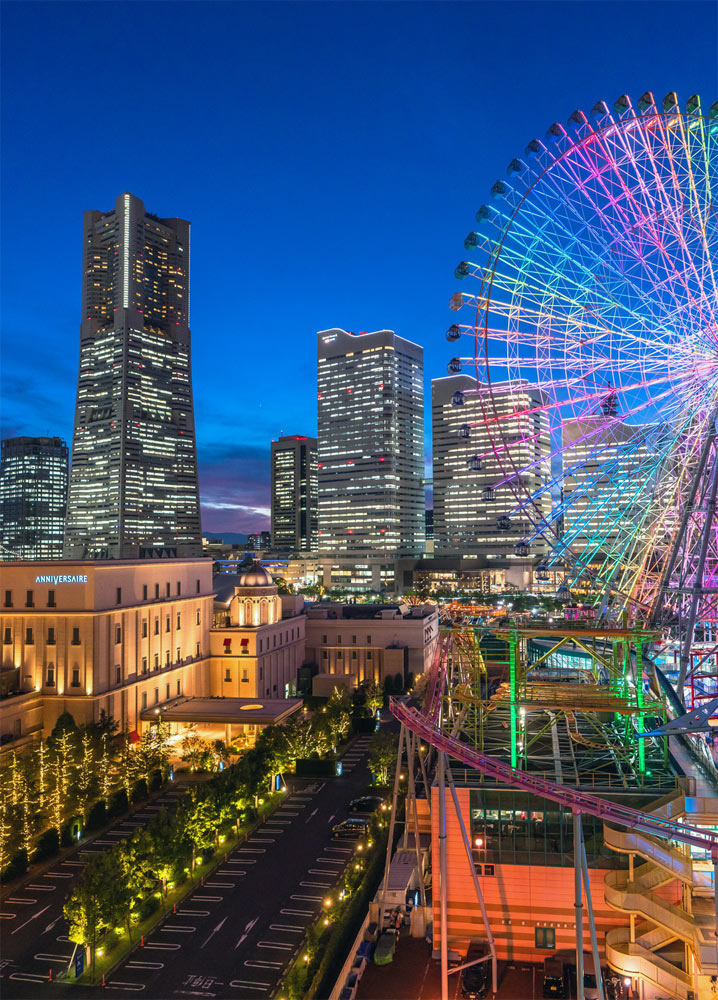
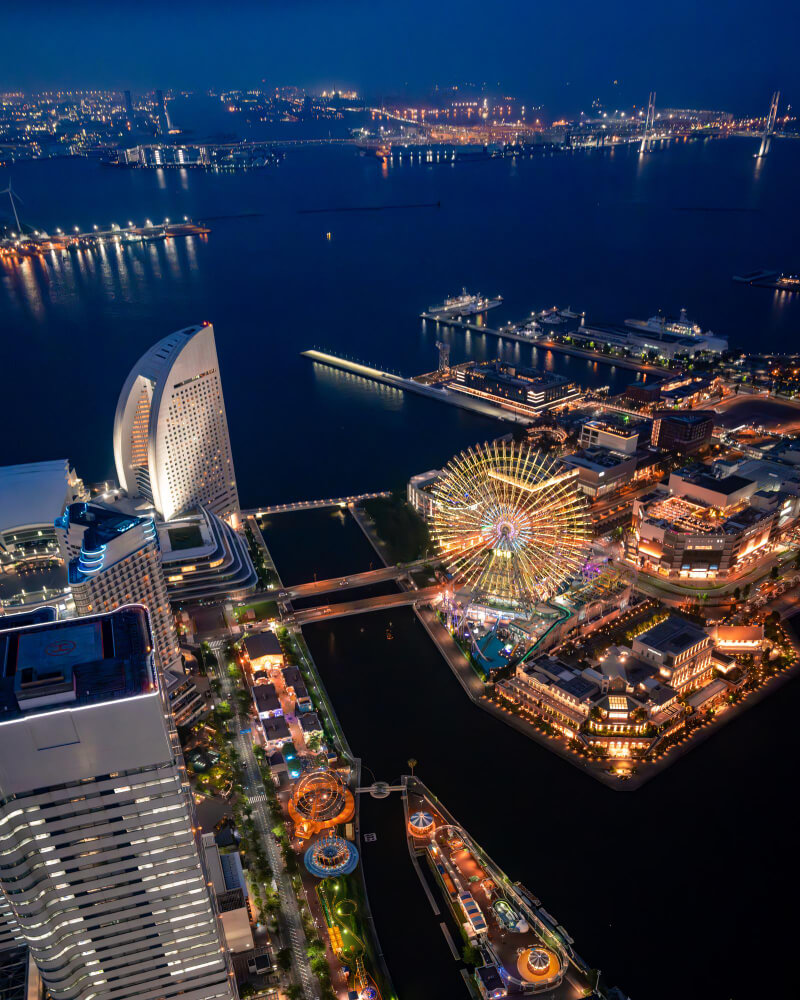
Yokohama’s modern waterfront district is the heart of the contemporary city. The Landmark Tower (296 meters, third-tallest in Japan), the Cosmo Clock 21 Ferris Wheel, Yokohama Hammerhead, and the Queen’s Square shopping complex all sit within comfortable walking distance of each other. At night, the reflection of the skyline across the harbor is spectacular.
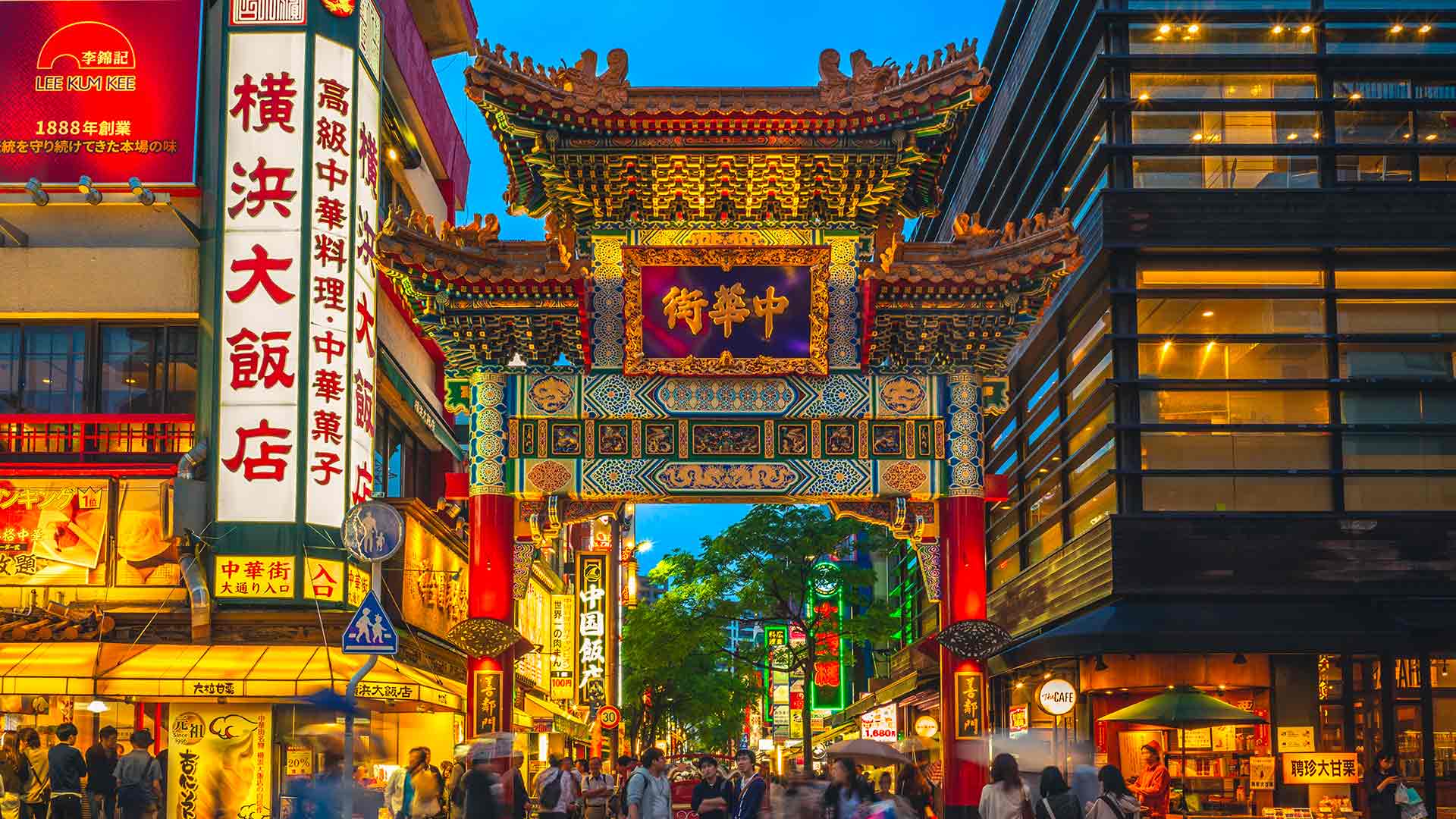
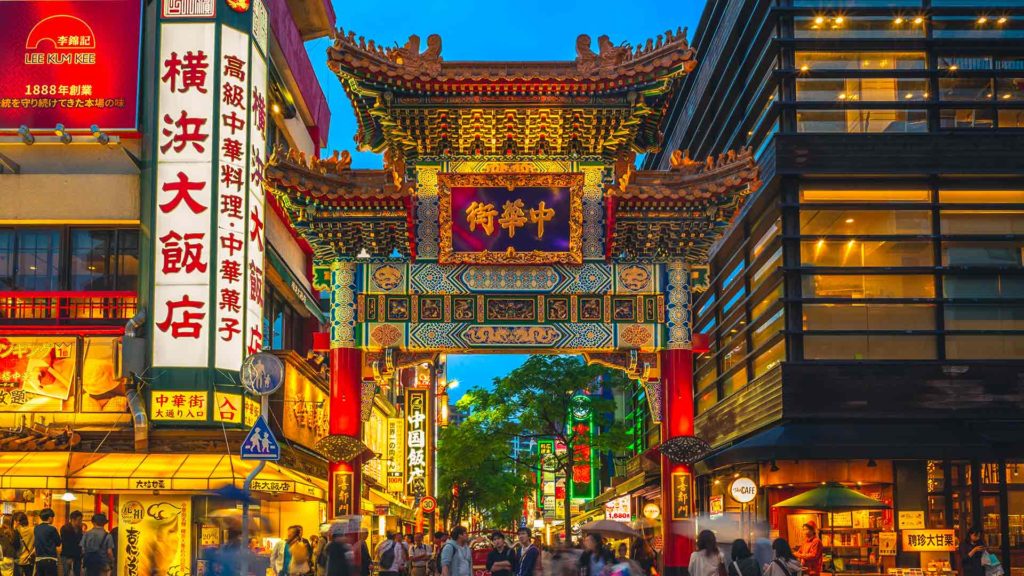
The largest Chinatown in Japan and one of the largest in the world, Yokohama’s Chinatown has been a living, working community since the port opened in 1859. Over 600 shops and restaurants line its narrow streets. The Kantei-byo (Emperor Guan’s Shrine), built in 1887, remains the spiritual center of the district.

Red Brick Warehouse (Aka-Renga Soko) consists of 2 beautifully preserved Meiji-era brick buildings on the waterfront that once served as Japan’s primary customs warehouses. Today they house shops, restaurants, a craft beer hall, and one of Yokohama’s best seasonal event venues — including the beloved annual Christmas Market.
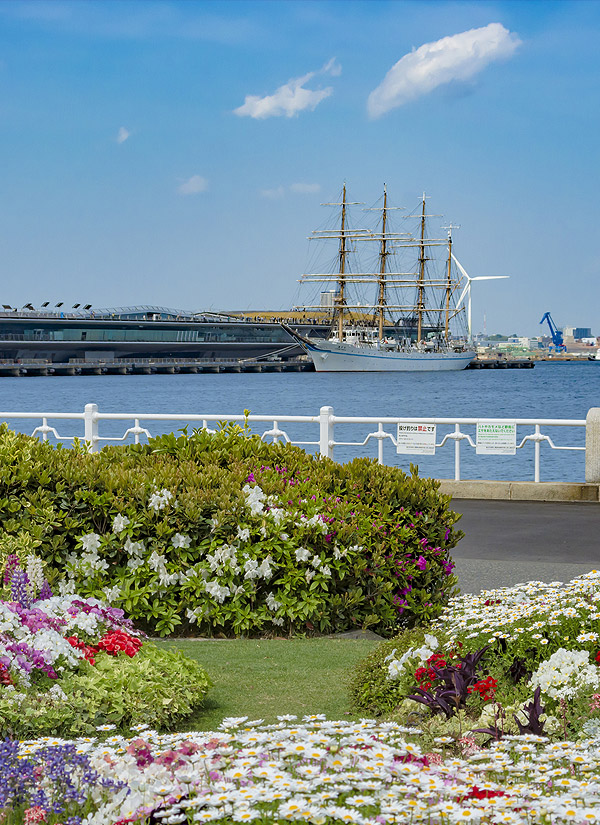
Yokohama’s most famous public park, built on reclaimed land using rubble from the 1923 Great Kanto Earthquake. The park stretches along the waterfront south of Chinatown, with rose gardens, harbor views, the permanently moored Hikawa Maru ocean liner, and a memorial fountain donated by San Diego, Yokohama’s sister city.
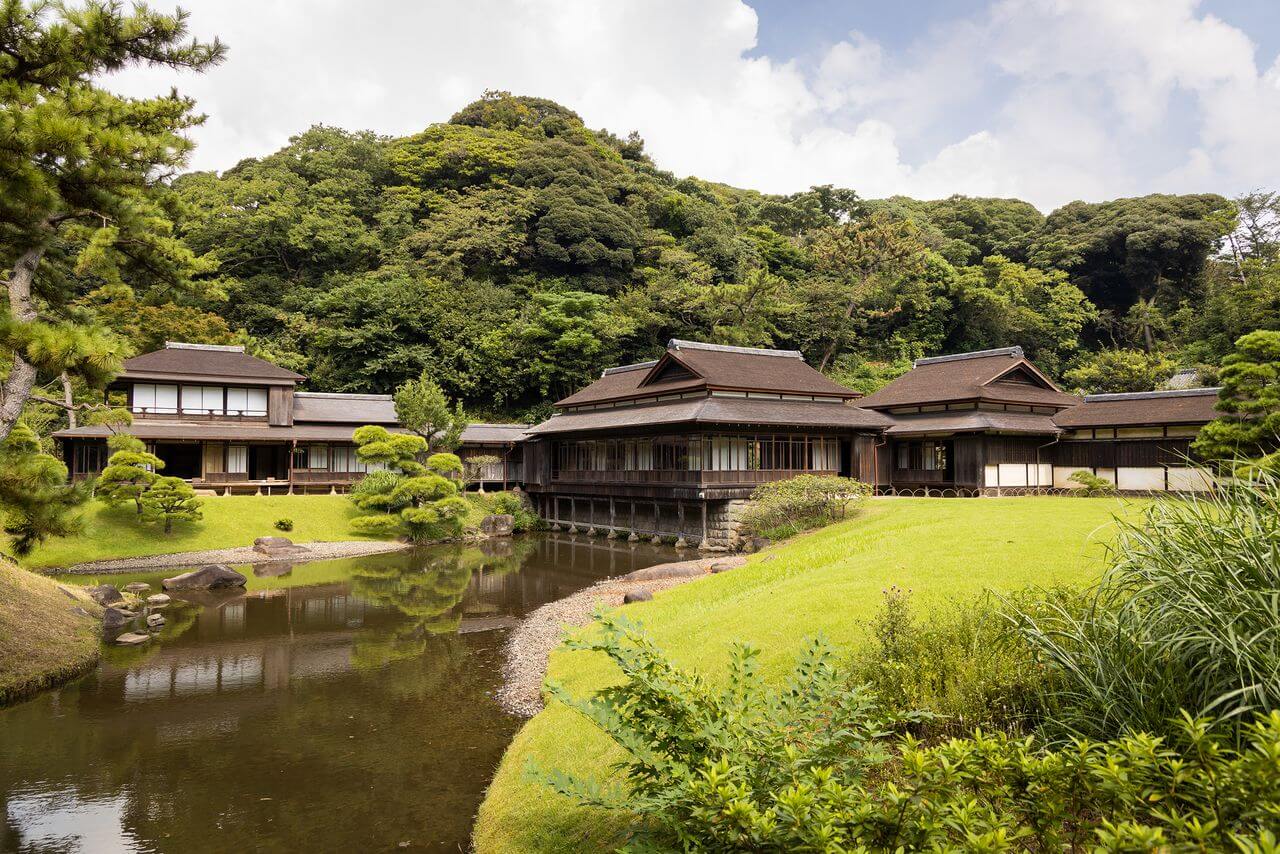
A 175,000-square-meter classical Japanese garden in southern Yokohama, built by silk merchant Sankei Hara in 1906. Historic buildings relocated from across Japan — including a three-story pagoda from Kyoto — are scattered throughout the landscape. Exceptionally beautiful during cherry blossom season and autumn foliage.
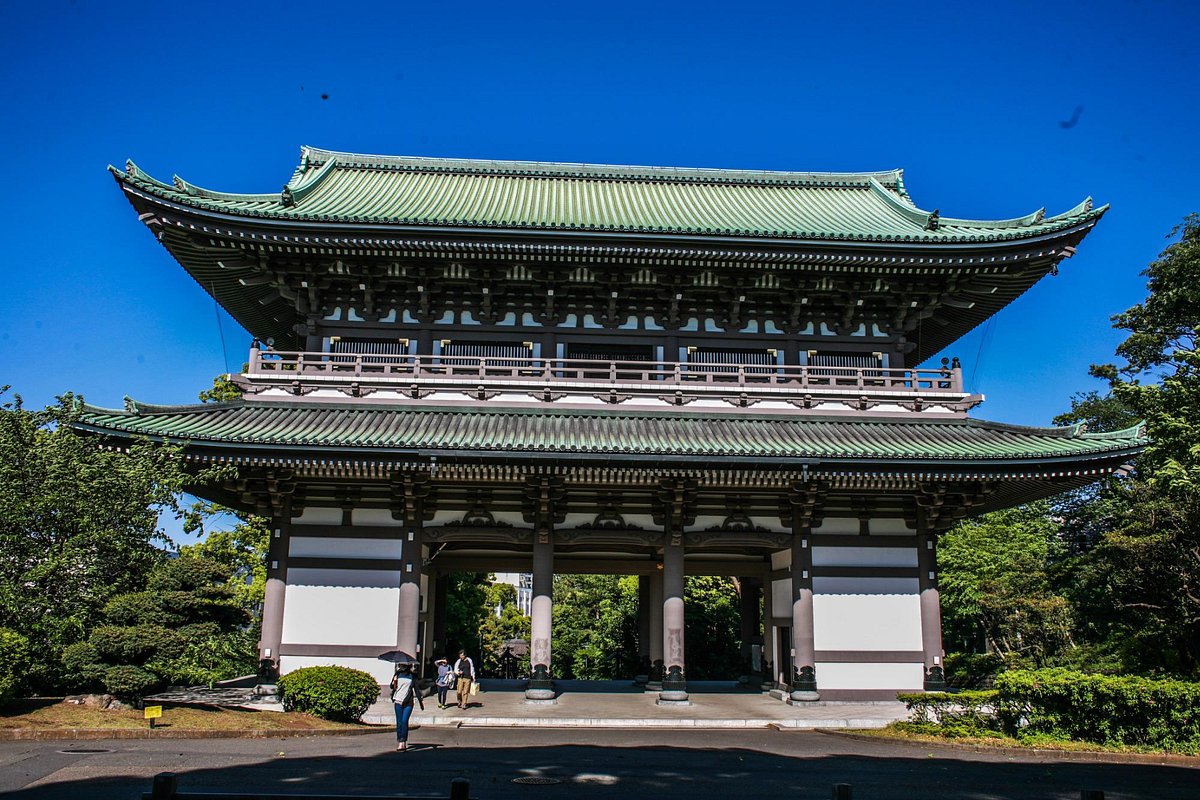
One of only two head temples of Soto Zen Buddhism in Japan, located in Tsurumi ward. The complex covers an enormous area and includes over 100 sub-temples. Unlike Kyoto’s heavily touristed temples, Sojiji remains an active monastic community — quiet, atmospheric, and rarely crowded with foreign visitors.
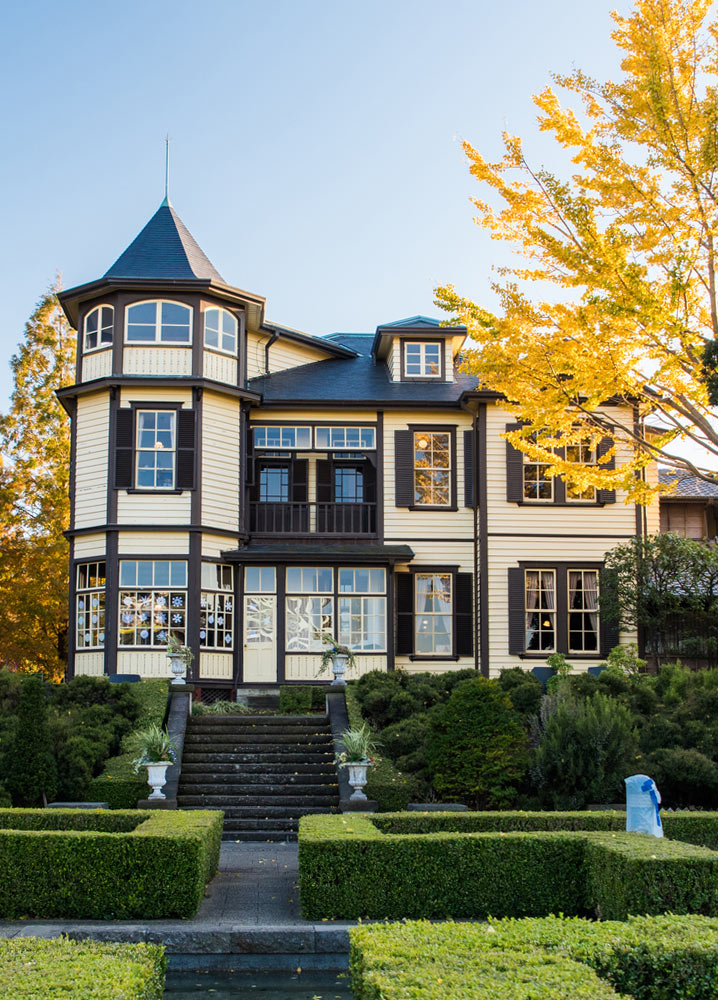
The hilltop district where Yokohama’s early foreign residents built their homes. Western-style mansions from the Meiji and Taisho eras have been meticulously preserved, and the area’s tree-lined streets, harbor views, and relaxed pace make it one of the most enjoyable walks in the city. The Yokohama Foreign General Cemetery has stood here since 1859.
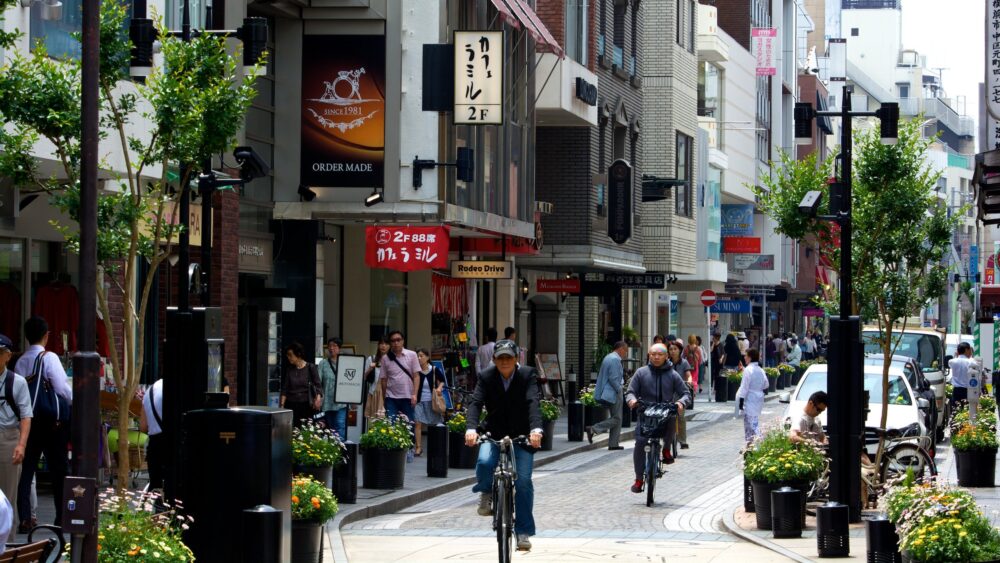
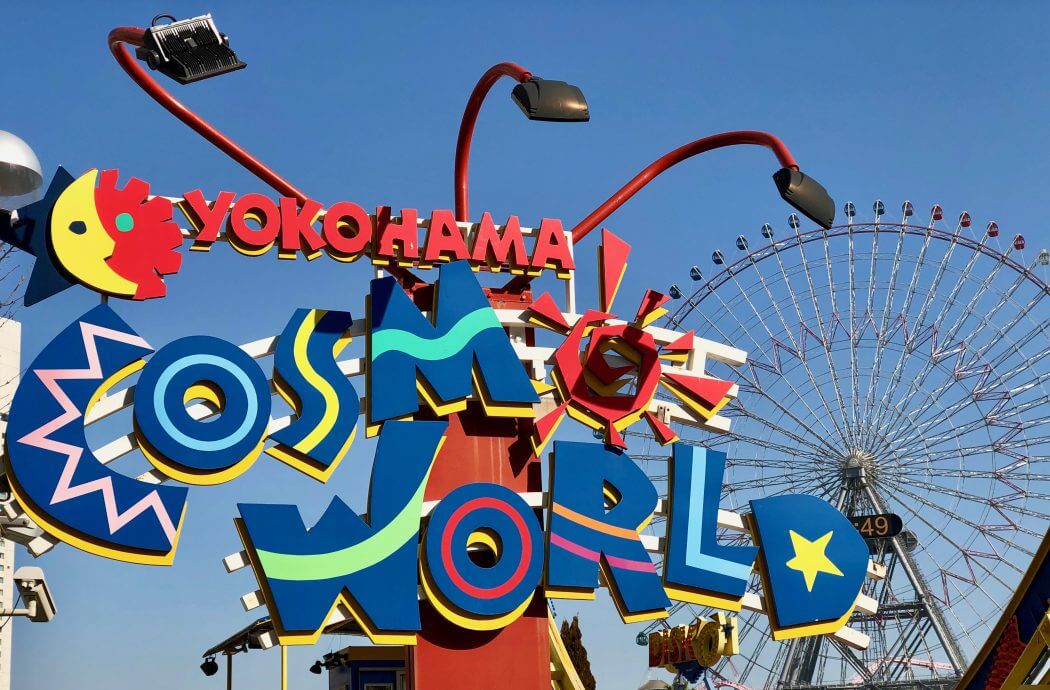
A free-entry amusement park on the waterfront in Minato Mirai, with paid rides including the iconic Cosmo Clock 21 — once the tallest Ferris wheel in the world. Perfect for families and the best place in the city to watch the harbor lights from above.
Yokohama Districts
Explore Yokohama’s Neighborhoods
Yokohama is a city of distinct districts, each with its own character, history, and reason to visit. Understanding the neighborhoods is the key to understanding the city.
- Minato Mirai — The futuristic waterfront district. Skyscrapers, shopping, world-class hotels, and the best night views in the city.
- Chinatown (Naka Ward) — 600+ restaurants and shops in a community that has been here longer than most of the city around it.
- Yamate (The Bluff) — Meiji-era Western mansions, harbor panoramas, tree-lined walks, and the city’s oldest foreign cemetery.
- Motomachi — The sophisticated shopping street with a European atmosphere, independent fashion, and excellent bakeries.
- Kannai — The historic heart of Yokohama. The former foreign settlement, the original port infrastructure, Yokohama Stadium, and the Archives of History.
- Noge — Yokohama’s most underrated neighborhood. An unpretentious, local district famous for jazz bars, street performance festivals, and some of the city’s best izakayas.
- Isezakicho — A long shopping street stretching south from Yokohama Station, with a gritty, authentic energy absent from the polished waterfront districts.
- Honmoku Negishi — A southern waterfront district with a strong American post-war heritage, a famous horse racing ruins park, and a more local feel.
- Kanazawa Ward — Southern Yokohama at its most peaceful. Nature reserves, Shomyoji Temple, the Kanazawa Bunko museum, and Tokyo Bay coastline without the crowds.
- Tsurumi — Home to Sojiji Temple, one of Japan’s most significant Zen Buddhist sites, and a lively, multicultural residential ward.

Yokohama’s Museums
Yokohama has over 40 museums. That is not a typo. From instant ramen to silk, from maritime history to contemporary art, the city’s museum culture reflects 160 years of being at the intersection of Japan and the world.
- Cup Noodles Museum — The story of Momofuku Ando’s invention of instant noodles, with interactive exhibits and the chance to create your own custom cup.
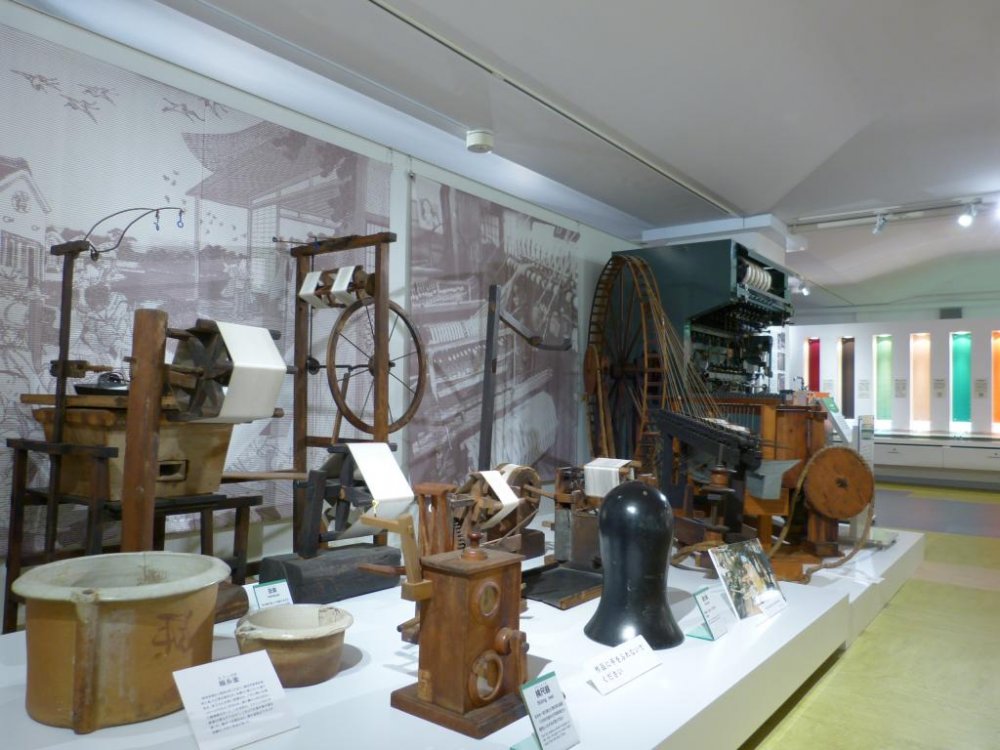
- Yokohama Silk Museum — Silk was the engine of Yokohama’s early economy. This museum tells that story through extraordinary kimono collections and live silkworm displays.
- Shin-Yokohama Ramen Museum — Not just a museum but a food court designed as a 1958 Tokyo streetscape, with ramen shops from across Japan.
- Yokohama Museum of Art — Modern and contemporary works in a striking 1989 building designed by Kenzo Tange, at the edge of Minato Mirai.
- Yokohama Port Museum + Nippon Maru — A full-rigged sailing ship moored at the dock, alongside exhibits on the history of Yokohama’s port and Japan’s maritime heritage.
- Yokohama Archives of History — Housed in the former British Consulate building, with detailed coverage of the port opening, Perry’s arrival, and the early foreign settlement.
- Kanazawa Bunko — One of Japan’s oldest libraries, established in the 13th century by the Hojo clan, now housing a museum of Buddhist art and Kamakura-period treasures.
- Yokohama Museum of Tin Toys — A quirky, nostalgic collection of 3,000 tin toys spanning Emperor Meiji to American cars of the 1940s.
Yokohama Food & Drink
Yokohama’s food culture is inseparable from its history as Japan’s most international port city. The results of 160 years of culinary exchange are extraordinary.
- Ie-kei Ramen — Yokohama’s own ramen style: thick tonkotsu-soy broth, flat noodles, spinach, nori, and a rich chashu. Born in Yokohama in 1974, now famous worldwide. Every ramen lover visiting Japan should eat Ie-kei in its hometown.
- Yokohama Chinatown — 600+ restaurants across every style of Chinese cuisine. Dim sum, Peking duck, Shanghai soup dumplings, and Cantonese roasted meats are all here. Chinatown has been feeding Yokohama since 1859.
- Japan’s Culinary Firsts — Yokohama is where Japan first tasted beer (1869), ice cream (1869), Western-style bread (anpan was popularized here), and commercially produced confectionery. The city’s relationship with foreign food is deep and delicious.
- Noge Izakayas — The Noge district is Yokohama’s answer to those looking for unpretentious, local drinking culture. Tiny bars, jazz on the speakers, yakitori on the grill, and locals who have been sitting on the same stool for a decade.
- Coffee & Bakeries — The Motomachi and Yamate areas carry the legacy of Yokohama’s Western food culture into exceptional cafes, French patisseries, and independent bakeries.
Full Yokohama Food Guide → Yokohama Ramen Guide → Yokohama Chinatown Food Guide →
Yokohama History
Yokohama’s story is one of the most dramatic in modern Japan. In 1854, it was a fishing village of a few hundred people. By 1899, it was Japan’s most international city. By 1923, the Great Kanto Earthquake had killed tens of thousands and reduced much of it to rubble. By 1945, American firebombing had destroyed 42% of what had been rebuilt. And by 1993, it had grown into a city with a 296-meter skyscraper, a maglev train, and the second-busiest port in the country.
Understanding that history transforms a visit to Yokohama. The waterfront parks were built on earthquake rubble. The Bluff mansions survived when everything below them burned. Chinatown has stood through all of it. Every neighborhood carries a layer of that story.
Trips
Getting To & Around Yokohama
Yokohama is one of the easiest cities in Japan to reach and navigate.
From central Tokyo (Shibuya, Shinjuku, Shinagawa), the journey takes between 25 and 40 minutes by train. From Haneda Airport, you can be in Yokohama in under 30 minutes. From Narita Airport, allow 90 minutes.
Within the city, the combination of the Minatomirai Line, the Municipal Subway Blue Line, and walkable waterfront districts means most visitors barely need to think about transportation. The main tourist areas — Minato Mirai, Chinatown, Yamashita Park, Yamate, Motomachi — form a continuous, walkable circuit of about 5 kilometers.
FAQ
Why is Yokohama famous?
Yokohama is famous as Japan’s first major port open to the West in 1859, making it a cosmopolitan city. It is known for its futuristic Minato Mirai skyline and having Japan’s largest Chinatown.
Is MT Fuji in Yokohama?
No, Mount Fuji is not located in Yokohama. Mount Fuji is approximately 100 to 130 kilometers (60 to 80 miles) southwest of the city. Yokohama offers some of the best and most famous city-meets-mountain views of Mt. Fuji, especially on a clear day (most common during the winter).
Is Yokohama worth visiting in Japan?
Yes, Yokohama is absolutely worth visiting! It offers a beautiful, walkable waterfront, Japan’s largest Chinatown, and the unique Cup Noodles Museum. It is easily reached from Tokyo in under 35 minutes.