
Sojiji Temple

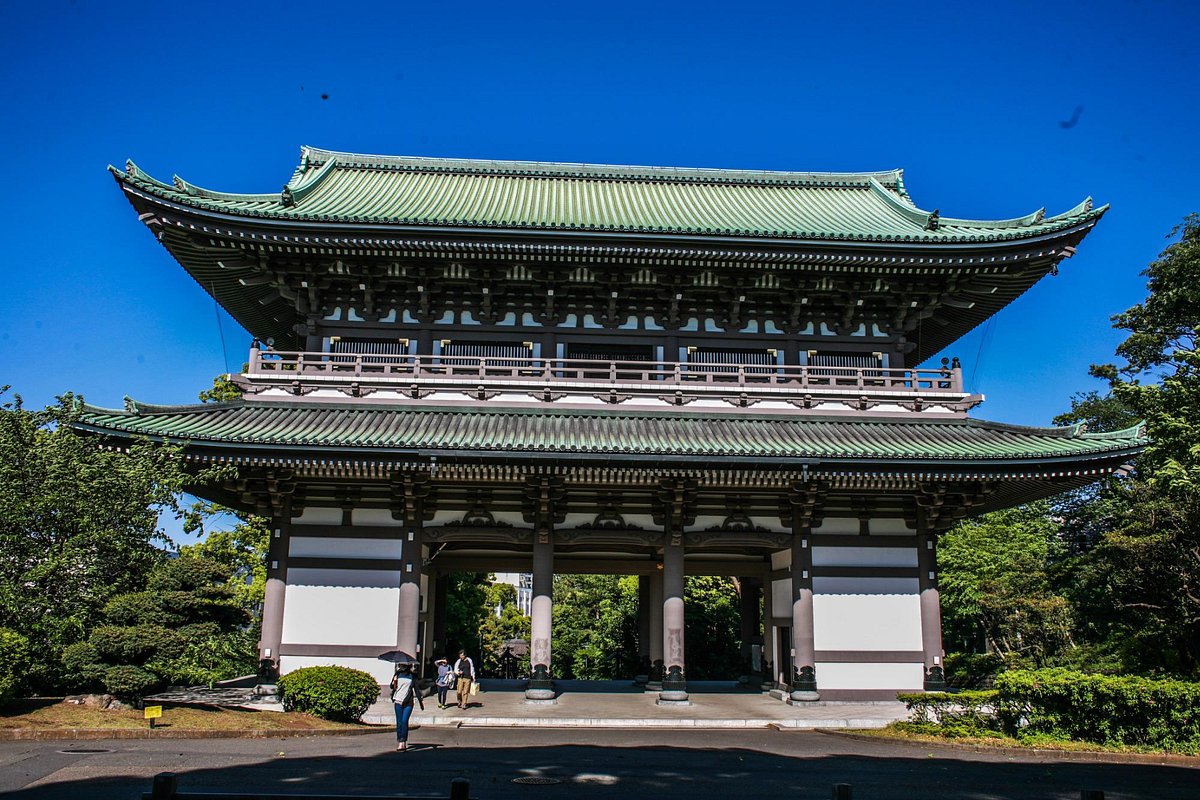
Sojiji Temple (總持寺) is one of Japan’s most significant Zen Buddhist temples and a major spiritual destination. Located in Tsurumi ward, Yokohama, it stands as one of the two head temples of Soto Zen Buddhism, the other being Eiheiji in Fukui Prefecture. What makes Sojiji extraordinary is its urban location—set within sprawling, park-like grounds of approximately 500,000 square meters (190,000 square meters according to some sources) in the heart of Yokohama, mere minutes from major train stations. This unique combination of tranquility and accessibility makes it a remarkable oasis hidden within city life.
History & Significance
Origins & Journey
Sojiji’s history spans over 1,200 years. The temple traces its roots to 740 A.D., when it originated as Moro-oka Temple in Wajima City, Ishikawa Prefecture, built on the grounds of Moro-oka Shinto Shrine. In 1321, the head priest Keizan Zenji (1227–1325) transformed the temple, renaming it Sojiji and establishing it as a center of Zen Buddhism. According to legend, both the temple’s abbot and Keizan Zenji simultaneously received the same divine vision in their dreams, signaling the temple’s spiritual transformation. The name “Sojiji” means “the temple where Buddha’s teaching is fully kept.”
Recognition & Prestige
In 1322, Emperor Godaigo recognized Sojiji as the leading head monastery of the Soto Zen school, granting its abbots the honor of wearing purple vestments. At its height, Sojiji oversaw more than 16,000 temples across Japan and wielded considerable influence over Japanese Zen practice.
Relocation to Yokohama
On April 13, 1898, a devastating fire destroyed most of Sojiji’s original buildings in Ishikawa. Rather than simply rebuild at its historical site, temple leaders saw an opportunity. In 1905, Ishikawa Sodō Zenji decided to relocate the temple to Tsurumi in Yokohama, a move intended to facilitate the spread of Zen Buddhism further east and serve as a modern missionary center. The temple officially opened in its current form in 1911, marking a new chapter in its extensive history. This relocation, while tragic, proved strategic, positioning Sojiji to become an internationally recognized center for Zen practice and education.
Getting There
By Train (Recommended)
Sojiji is remarkably accessible by public transportation:
- From Tokyo: Take the JR Keihin-Tohoku Line to Tsurumi Station (approximately 17 minutes from Shinagawa Station or 10 minutes from Yokohama Station)
- From Shinagawa: 17–20 minutes depending on which line you use (Keihin-Tohoku or Keihin Kyuko Line)
- From Osaka: Approximately 3.5 hours by train
- Exit directions: Use the West Exit from Tsurumi Station, head to the bus terminal area, and walk alongside the tracks for about 350 meters. The temple is a pleasant 5–7 minute walk from the station.
By Car
Paid parking is available at the temple grounds. However, parking can be limited during busy periods.
Location
Address: 2-1-1 Tsurumi, Tsurumi-ku, Yokohama, Kanagawa Prefecture 230-0063, Japan
Phone: +81 (45) 581-6021
Website: sojiji.jp
Main Buildings & Architecture
Sojiji’s architectural landscape is impressive and carefully designed. The temple features seven main buildings and dozens of supporting structures, creating a complex that reflects both traditional Zen aesthetics and modern construction methods. Unlike many cramped Japanese temples with gravel grounds, Sojiji features expansive lawns, well-tended gardens, and tree-lined pathways that give it a park-like atmosphere.
Key Structures
Sanmon Gate (三門) The iconic entrance to the temple complex, this massive gate is said to be the largest in Japan. Built in 1965 using traditional design but ferro-concrete materials, it towers majestically over the approach. Measuring roughly 17 meters high, passing through the Sanmon Gate symbolizes entering the Zen world and leaving everyday concerns behind.
Sanjushōkan Gate Built in Korean architectural style, this is the first gate visitors encounter when entering from the street.
Mukaikaramon Gate (向唐門) An elegant gate with an elaborate, graceful roof, this structure connects to an imperial order that designated Sojiji as an official Zen temple. It serves ceremonial purposes during special occasions and overlooks the temple’s expansive central lawn.
Daisodo (Founders’ Hall) One of the most impressive structures, this hall features a ceiling 36 meters high and a floor covered with one thousand tatami mats. It stands as a tribute to the founders and serves as a meditation and gathering space.
Hyakken Rouka (Long Corridor) This corridor stretches an impressive 152 meters, connecting various temple buildings and allowing visitors to move between areas while experiencing the temple’s architectural artistry.
Hokodo Hall One of the few original structures predating the relocation, this stately building dates from the mid-19th century. It was donated to Sojiji by So-onji Temple in Tsuruoka City, Yamagata Prefecture, during the temple’s reopening in Yokohama in 1911.
Sanshokaku Hall Overlooking the central lawn, this multipurpose building features a majestic sweeping gabled roof and hosts various temple events and gatherings.
Butsuden (Buddha Hall) The primary hall for Buddhist worship and ceremonies.
Tekitekian Museum (Buddhist Treasure Repository) Located between the Mukaikara Gate and Chujaku Gate, this small museum houses approximately 50 Zen Buddhist artifacts and artworks. The collection rotates quarterly, ensuring new discoveries on repeat visits.
Hours: 10:00 AM – 4:30 PM (last entry 4:00 PM)
Closed: Thursdays and Fridays (except when Friday falls on a national holiday)
Fee: Included with general admission
Gardens & Grounds
The temple features traditional Japanese gardens, including a Japanese-style garden accessible through the main halls. The grounds also include a cemetery where numerous prominent figures are interred, including Ishihara Yujiro, a famous Showa-era actor.
Visitor Information
Admission
General Access: Free. Visitors may freely walk around the temple grounds without charge.
Guided Tours: ¥400 per person (by appointment only). Monks conduct these tours in English, providing insights into temple history, daily monastic life, and Zen philosophy.
Contact: Call the temple at +81 (45) 581-6021 to arrange a guided tour.
Hours of Operation
- Temple Grounds: Open daily
- Treasure House: 10:00 AM – 4:30 PM
- Closed: Year-end and New Year holidays
Best Times to Visit
Spring (Late March to Early April) Cherry trees bloom throughout the grounds, creating a spectacular natural display. The grounds feel particularly serene and beautiful during this season.
Summer (July) The annual Mitama Festival Bon Odori draws thousands of visitors from across the region, featuring traditional dancing and celebration.
Autumn The changing foliage creates another beautiful backdrop for exploring the temple grounds.
Winter Fewer crowds make for peaceful exploration, though some areas may be less accessible due to weather.
Experiences & Activities
Zazen (Zen Meditation)
Sojiji offers authentic Zen meditation experiences:
- Regular Sessions: ¥500 per person
- English Language Classes: Offered periodically; once monthly on Saturdays (requires advance booking)
- Meditation Space: Available on the temple grounds
These sessions provide genuine insight into Zen Buddhist practice and are conducted by experienced monks.
Shakyo (Sutra Copying)
Visitors can participate in the meditative practice of hand-copying Buddhist scriptures. This activity combines spiritual practice with artistic expression and provides a deeply contemplative experience.
Guided Tours
The monks offer knowledgeable tours (¥400) that take visitors through key buildings and explain their significance, the daily life of the monks, and fundamental Zen teachings. Tours are available by appointment and conducted in English.
Independent Exploration
The grounds invite self-guided exploration. Visitors are free to wander at their own pace, though visitors are expected to respect the sacred nature of the space by maintaining quiet, moving respectfully, and refraining from photography of monks.
Community & Events
Annual Events
Mitama Festival Bon Odori (July) The most popular event, drawing thousands of visitors from throughout the region. This traditional festival features Bon odori (folk dancing), food stalls, and celebrations honoring ancestors.
Cherry Blossom Season Events (March-April) Special viewings and informal gatherings celebrate the blooming of the cherry trees throughout the grounds.
Educational Institutions
Sojiji maintains strong community ties through multiple educational facilities:
- Soji Gakuen Kindergarten
- Junior High School
- High School
- Tsurumi University
These institutions perpetuate Keizan Zenji’s emphasis on education and extend Zen principles into secular learning.
Community Programs
The temple regularly hosts community events, workshops, and lectures open to the public. Check the official website for current programming.
Practical Tips for Visitors
What to Wear
- Comfortable walking shoes are essential; the grounds are extensive
- Modest, respectful clothing is appropriate (avoid revealing or casual gym attire)
- Layers are recommended, as seasons vary considerably
- Slippers are typically provided when entering buildings
Photography
Photography is generally permitted in the gardens and most areas of the grounds, but taking photographs of monks’ faces is considered disrespectful and should be avoided. Ask permission before photographing people.
Etiquette
- Maintain a quiet, respectful demeanor throughout the grounds
- Do not touch statues, artworks, or temple treasures unless explicitly permitted
- Remove shoes when entering buildings; follow local customs
- Observe designated pathways and restricted areas
- Participate in rituals or ceremonies only if invited
Dining Options
Shojin Ryori (Vegetarian Buddhist Cuisine) The temple offers traditional Buddhist vegetarian meals. These dishes are prepared according to Zen Buddhist principles and provide insight into temple life. Consult the official website for reservation information and current availability.
Nearby Restaurants The Tsurumi area has numerous dining options within walking distance of the temple, ranging from casual ramen shops to upscale restaurants.
Language Support
- English-language guided tours available (by appointment)
- Some signage includes English explanations
- Monks are generally welcoming to international visitors
Accessibility
The temple has made efforts to accommodate visitors with mobility challenges:
- Disabled parking (wheelchair accessible) available
- Ramps and stair railings present in many areas
- Accessible restrooms including facilities for ostomates
- Wheelchairs available for rent
- Personnel support available during business hours
However, the extensive grounds and multiple buildings mean some areas may be challenging for those with significant mobility restrictions. Call ahead to discuss your specific needs.
Nearby Attractions
Iseyama Kotai Jingu Shrine About 20 minutes away by train, this historic shrine moved to its current location in 1870 and holds special significance for Yokohama residents. Famous for cherry blossoms and weddings.
Minato Mirai Area Yokohama’s modern waterfront district is visible from Sojiji’s hilltop location and offers museums, shopping, and dining options about 20 minutes away by public transit.
Yokohama Port The historic port area represents Yokohama’s maritime heritage and is easily accessible from the temple.
Planning Your Visit
Half-Day Visit (2-3 hours)
- Walk the main grounds and visit the central lawn
- Browse the Tekitekian Museum
- Visit the Butsuden and experience the main hall
- Enjoy the gardens
Full-Day Visit (5-7 hours)
- Guided tour with a monk (¥400, approximately 1.5–2 hours)
- Explore all major buildings
- Meditate in the temple or participate in a zazen session
- Visit the museum and cemetery
- Enjoy lunch with shojin ryori (Buddhist vegetarian cuisine)
- Extensive garden exploration
Special Interest Visits
For Zen Practitioners: Schedule zazen meditation sessions and dharma talks (call ahead for current offerings)
For Photographers: Early morning or late afternoon light is ideal; plan accordingly
For History Enthusiasts: Combine a guided tour with the museum visit and cemetery exploration
Final Thoughts
Sojiji Temple represents a unique convergence of tradition and modernity, spiritual depth and urban accessibility. While you’ll likely have opportunities to visit temples in Kyoto, Nara, and elsewhere in Japan, Sojiji offers something special: a living, functioning Zen monastery integrated into a bustling city, with monks who actively welcome visitors and share their tradition. The temple’s commitment to education, community engagement, and international accessibility makes it not merely a historical site but a vibrant center of Buddhist practice.
Whether you’re seeking spiritual practice, cultural understanding, or simply a peaceful refuge from urban life, Sojiji Temple delivers an authentic, transformative experience. The combination of architectural beauty, natural tranquility, and genuine monastic presence creates an atmosphere that lingers in visitors’ memories long after they leave.